


You see “5mm” on a product page and freeze. Is that tiny, or tiny enough to lose in the carpet? And what if you don’t have a ruler nearby?Here’s the short answer. 5mm is the same as 5 millimeters, 0.5 centimeters, or about 0.197 inches. It’s roughly the width of a small green pea, a mechanical pencil eraser, or a 5mm bead from a jewelry making kit.
This guide gives you nine everyday objects that match the size, plus easy tricks to estimate 5mm without a ruler. You’ll also get a 5mm conversion chart you can screenshot. Stick around, because the last section clears up a mistake most people make with small sizes.
How Big Is 5mm?
Picture a ruler with the tiny lines between each number. Each line marks one millimeter, so 5mm is just five of those lines in a row. It’s half a centimeter.
In the metric system, that’s 0.005 meters. In US units, it’s 0.197 inches, which sits a hair above 3/16 of an inch. In feet, you’re looking at about 0.016 feet.
That’s small, but you can still see it clearly. A 5mm round object feels like a speck when it sits on your palm, yet it’s big enough to pick up with two fingers. Think of it as the border between “tiny” and “too tiny to handle.”
How to Estimate 5mm Without a Ruler
Rulers go missing at the worst moments. Maybe you’re shopping in a store, or you’re packing a parcel at midnight. The good news is that measurement without measuring tools is easier than it sounds.
You just need a few visual measurement reference points you carry everywhere. Your hands, your wallet, and your desk drawer already hold them. Try each method once with a real ruler, and your brain will remember the size for good.
Using Your Fingers
Look at your pinky nail. On many adults it measures about 10mm across, so half of it lands near 5mm. Your fingernail corner gives you a quick sense of the gap.
Sizes vary from person to person, so check yours once. Lay a ruler on your nail and write the number in your phone notes. After that, you’ve got a built-in guide.
Using Coins or Cards
Coins are great for precision measurement because they follow strict standards. A US quarter is about 1.75mm thick, so three stacked quarters add up to roughly 5.25mm. That’s close enough for most jobs.
Cards work too. A credit card is about 0.76mm thick, so five credit cards only reach around 3.8mm. You’d need six or seven stacked credit cards to hit 5mm.
Using Everyday Objects
A standard mechanical pencil lead is 0.5mm wide. Line up ten of them side by side and you’ve built a 5mm strip. A single Lego stud measures about 4.8mm across, which is another handy match.
Rice, sesame seeds, and staples can help too, though their sizes swing a lot. Use the first two as your steady anchors. Treat the rest as rough hints.
Quick Comparison Table
Before we go item by item, here’s a snapshot. The sizes below are typical, so a few objects will vary by brand or style. Think of this table as your size comparison cheat sheet.
| Object | Typical Size | Closeness to 5mm |
| Green pea (small) | 5mm to 8mm | Close |
| Mechanical pencil eraser | About 5mm | Very close |
| Craft bead | 5mm | Exact |
| Headphone jack opening | About 5mm to 6mm | Close |
| Tiny button | 4mm to 6mm | Close |
| Thick cable | 4mm to 6mm | Close |
| Mini marble | 5mm to 10mm | Depends |
| Watch crown | 4mm to 7mm | Close |
| Coarse gravel | 4mm to 8mm | Close |
You’ll notice a pattern. Nature and manufacturing both love this size, which is why it pops up so often. Now let’s look at each one.
1. Green Pea Diameter
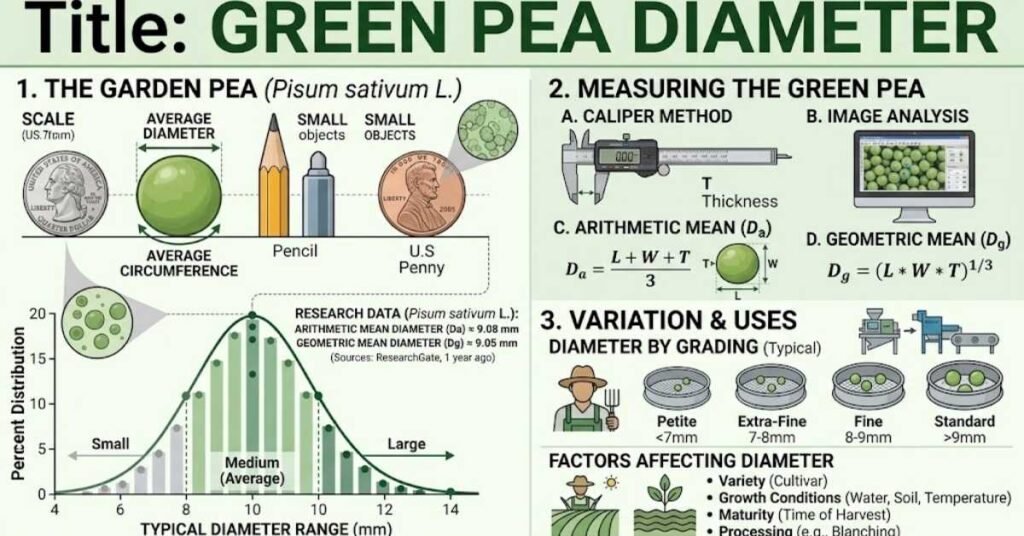
Grab a bag of frozen peas and roll a few across the counter. The smaller ones land near 5mm, while bigger garden peas can reach 8mm or more. That’s the green pea diameter you’ll see in most kitchens.
Here’s a quick example. If a recipe says to chop carrots “pea sized,” you’re aiming for pieces about this wide. It helps with even cooking.
Tell me something in the comments. When did you last measure a pea? Most of us never do, but it’s a fun test of your eye.
2. Pencil Eraser Width
A standard pencil eraser on a wooden pencil is usually closer to 6mm or 7mm. The small eraser on a mechanical pencil, though, often sits right around 5mm. Check the one in your desk drawer.
Teachers use this size trick in class. When a child asks how big a millimeter is, five of them fit across a tiny eraser cap. It’s a neat real-life size example for school materials.
If you’re buying replacement erasers online, look at the pencil eraser width in the listing. A 5mm refill will slide into a mechanical pencil, but a 7mm one won’t.
3. Small Craft Bead

Walk into any hobby shop and you’ll find bags of 5mm beads. They’re the workhorse of jewelry making. You can string them into bracelets, necklaces, or even keychains.
Seed beads run smaller, usually 2mm to 4mm, so a 5mm bead looks chunky next to them. That extra size makes it easier for kids and beginners to thread. It also gives decorative craft projects a bolder look.
Here’s a tip from many hobbyists. Buy one test pack before you commit to a big order. Colors and hole sizes change from seller to seller.
4. Headphone Jack Opening
Your wired headphones end in a 3.5mm plug. The headphone jack opening on a laptop or older phone is a little wider, often around 5mm to 6mm, depending on the device. That small gap guides the plug into place.
This matters when you shop for adapters or audio connectors. A cheap adapter with a loose fit can crackle, and a tight one can crack the port. Looking at the opening helps you judge device compatibility before you buy.
Have you ever jammed the wrong plug into a port? Share your story below. We’ve all done it.
5. Tiny Button Width
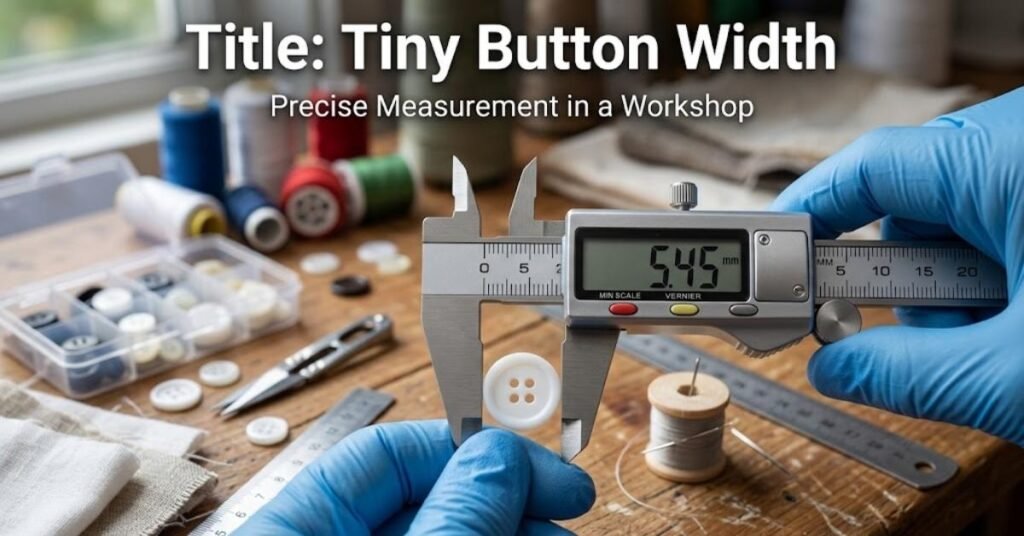
Most shirt buttons run 10mm to 12mm. Go smaller and you find buttons near 5mm, the kind sewn onto doll clothing, baby outfits, and collar tips. They’re delicate, so handle them gently.
Decorative sewing loves this size too. A row of 5mm buttons down a tiny cuff looks neat without crowding the fabric work. Many handmade crafts use them for the same reason.
If you’re shopping for sewing supplies, remember that the hole spacing matters as much as the width. Two small holes only 2mm apart need a thin needle and thread.
6. Thick Cable Width
Your charging cables probably measure between 3mm and 4mm. A tougher one with a braided jacket can reach 5mm. That extra thickness adds cable durability and better wire protection against bends.
Earbud wires go the other way and stay slim, usually around 2mm. Extension wires often run thicker than 5mm because they carry more power. So 5mm sits right in the middle of the cable thickness range.
Thicker cables feel sturdier but lose some cable flexibility. If you travel a lot, a slimmer one coils up better in your bag. Pick the balance that suits your habits.
7. Small Marble Size
Classic toy marbles measure about 16mm, which is far bigger than 5mm. But miniature marble versions exist, and some tiny glass balls land near 5mm. You’ll often find them in craft kits and decorations.
Their smooth surface makes them fun to roll and sort. People use them in vase fillers, board game pieces, and sensory bins. Just keep them away from small kids because they’re a choking risk.
Sizes vary a lot between sellers, so read the marble diameter in the listing. A “mini” marble might be 10mm or more. Don’t trust the label alone.
8. Watch Crown Width
The watch crown is the little knob on the side of the case. On many watches, the watch crown width falls between 4mm and 7mm. Plenty of models sit right around 5mm.
You turn it for time adjustment and date adjustment. Its size is a clever piece of precision design. It’s large enough to grip, yet small enough to stay out of your way.
Watchmaking hobbyists pay close attention to this number. If you’re ordering replacement watch parts or watch accessories, measure the crown first. A mismatch of even 1mm can stop it from fitting.
9. Coarse Gravel Piece
Pour a scoop of fine gravel into your hand and you’ll find stones near 5mm. They’re bigger than sand grains but smaller than a pebble you’d skip across a lake. That makes them a go-to for many landscaping jobs.
Gardening fans lay them around plants for drainage. They also use them for garden pathways and decorative rocks. Builders add them to mixes for strong construction materials.
The surface texture feels rough and crunchy under your shoes. Bags are labeled by gravel size, so check the mm range before you buy. The wrong size can make a path feel sharp or messy.
5mm Conversion Chart
Here’s a 5mm conversion chart you can keep handy. It covers millimeter-to-inch conversion and other units. Use it whenever a product dimensions line confuses you.
| Measurement | Value |
| 5 millimeters | 5mm |
| In centimeters | 0.5 cm |
| In meters | 0.005 m |
| In inches | 0.197 in |
| In feet | 0.016 ft |
For a 2mm measurement comparison, 2mm equals about 0.079 inches. A 3mm measurement comparison gives you roughly 0.118 inches. So 5mm is more than double 2mm and about two thirds larger than 3mm.
Now for bigger lengths. Here’s how common inch sizes stack up in millimeters.
| Inches | Millimeters |
| 2 inches | 50.8mm |
| 4 inches | 101.6mm |
| 5 inches | 127mm |
| 6 inches | 152.4mm |
| 8 inches | 203.2mm |
| 10 inches | 254mm |
| 12 inches | 304.8mm |
That tells you something fun. About ten 5mm pieces fit inside 2 inches, and 12 inches holds around 61 of them. It’s a quick centimeter-to-millimeter comparison trick for your head.
Why 5mm Matters When You Shop Online
Photos lie about size. A 5mm bead looks huge in a zoomed shot and tiny in a wide one. That’s why online shopping can feel like a guessing game.
Check the listed jewelry sizing, hardware parts, screws, and drill bits in millimeters. A 5mm drill bit and a 5mm screw won’t swap, so size accuracy matters. Read the specs, not just the picture.
Use your new 5mm examples as a mental ruler. If a seller says a charm is 5mm, picture a green pea. You’ll spot misleading photos quickly. It’s a small habit that saves real money.
Common Mistakes With Small Measurements
The biggest mistake is mixing up millimeters and centimeters. A 5cm object is ten times larger than 5mm, so a typo can wreck a purchase. Always double check the unit.
Another slip is trusting photos or labels without a ruler. Brands round numbers up or down, and “approximate size” often hides a gap of 1mm or more. That gap can stop a part from fitting.
Finally, people forget that eyes drift. Without practice, we over or underestimate tiny objects by a lot. Test yourself against a ruler once a month, and your measurement estimation will stay sharp.
Conclusion
So, how big is 5mm? It’s half a centimeter, about 0.197 inches, and roughly the width of a small green pea or 5mm bead. Once you link it with everyday objects, it stops feeling abstract.Keep these tricks in your back pocket. Your fingers, stacked coins, and a handful of common household items can all stand in for a ruler.
Better yet, a practical measurement guide like this one saves you time.Did we miss an object that’s exactly 5mm in your home? Drop it in the comments, and share this guide with a friend who loves DIY. We’d love to add your find.
FAQs
How big is 5mm in inches?
5mm equals 0.197 inches. That’s a little more than 3/16 of an inch. For quick math, treat it as about 0.2 inches.
What common object is 5mm big?
A small green pea, a mechanical pencil eraser, and a 5mm bead all come close. A Lego stud at 4.8mm is another good match. Gravel and watch crowns often land near it too.
Is 5mm easy to see?
Yes, you can see 5mm with the naked eye. It’s about the size of a sesame seed cluster or a small pea. You’d struggle only if the object blends into its background.
What does 5mm look like?
Imagine five tiny lines on a ruler side by side. It looks like a small round dot, about half the width of your pinky nail. It’s a bit bigger than a pinhead and much smaller than a dime.
How can I estimate 5mm without a ruler?
Use your pinky nail, three stacked quarters, or six to seven stacked credit cards. You can also line up ten mechanical pencil leads. Check each trick once with a real ruler so it sticks.


